
4. Oatmeal: The Gentle Grain
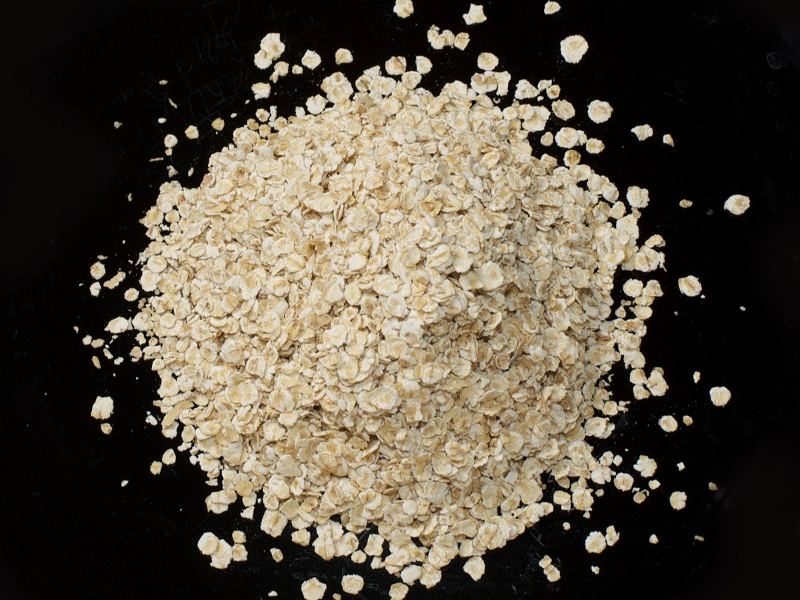
The high fiber content in oatmeal also supports regular bowel movements and helps prevent constipation. Oats absorb water and add bulk to stool, keeping the digestive system functioning smoothly. Additionally, the soluble fiber in oats acts as a prebiotic, feeding the beneficial bacteria in your gut and promoting a healthy microbiome.
Oatmeal is particularly beneficial for individuals with GERD or acid reflux, as it is less likely to trigger symptoms compared to other breakfast options. Its mild, neutral flavor makes it easy on the stomach, especially for those experiencing nausea or digestive discomfort.
Oats also contain compounds called avenanthramides, which have anti-inflammatory properties. These compounds may help reduce inflammation in the digestive tract and throughout the body, supporting overall health and well-being.
To maximize the stomach-friendly benefits of oatmeal, choose plain, unsweetened varieties and cook it with water or plant-based milk. You can top your oatmeal with fresh fruit, nuts, or a drizzle of honey for added flavor and nutrients.